

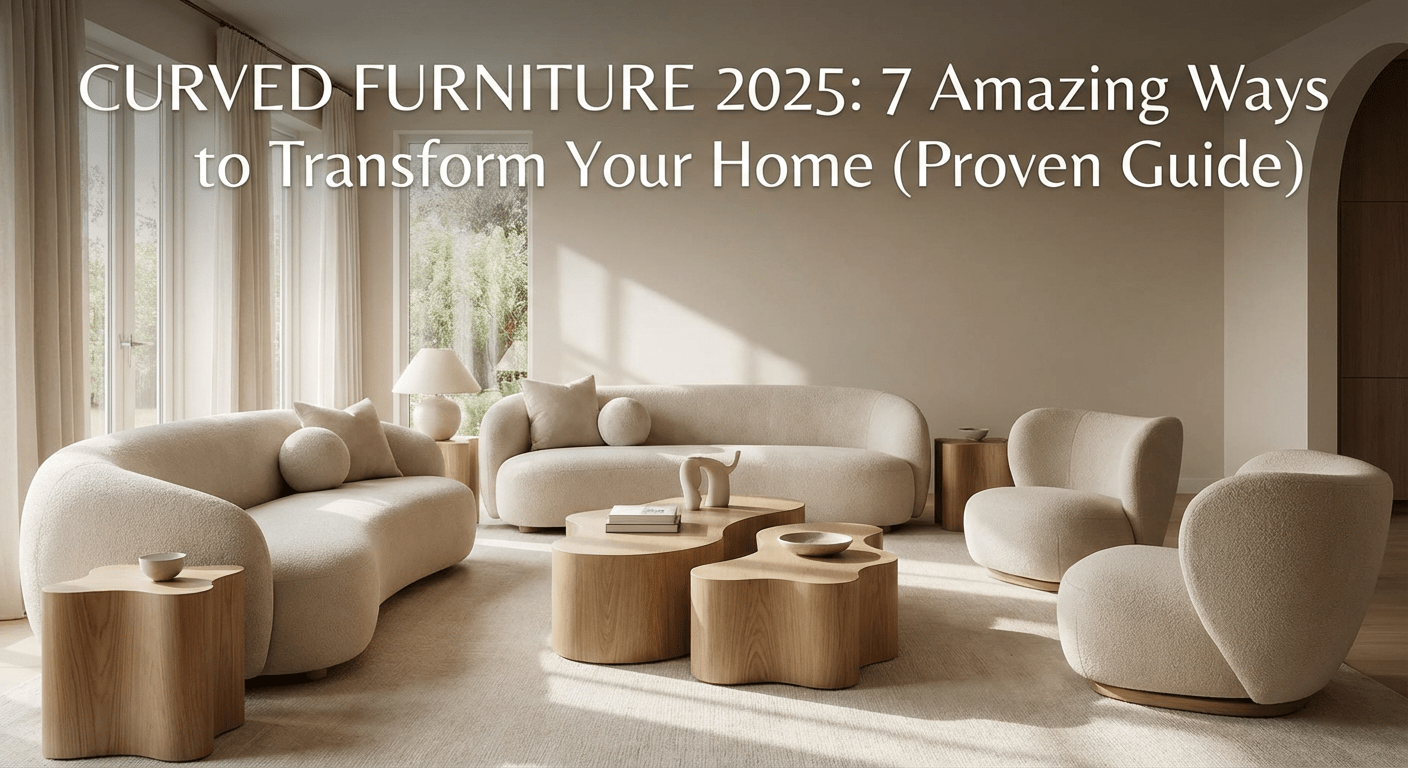
Curved furniture 2025 is reshaping interior design trends, offering both bold style statements and new technical challenges for homeowners and professionals alike. As curved sofas, sectionals, and organic silhouettes dominate showrooms and design showcases in 2025, understanding why this revival matters—and how to avoid common pitfalls—can help you make smarter choices when redesigning your space.
Key Takeaways
- Curved furniture is experiencing rapid growth, but it poses unique challenges for installation and space planning.
- Sustainability and modular design are top differentiators in 2025’s curved furniture market.
- Lack of detailed technical specs and price comparisons makes it vital to research carefully before purchasing.
- What Is Curved Furniture 2025 & Why Is It Trending?
- How to Select and Implement Curved Furniture: Step-by-Step Guide
- Advanced Analysis & Common Pitfalls of Curved Furniture 2025
- Conclusion
- FAQ
What Is Curved Furniture 2025 & Why Is It Trending?
Curved furniture 2025 refers to sofas, sectionals, credenzas, and accent pieces that emphasize flowing, rounded lines, organic shapes, and sculptural silhouettes. The trend pivots away from boxy profiles, introducing softness and a sense of movement into modern interiors. Fuelled by a market surge—22% curved furniture demand growth in 2024 alone—consumers are seeking forms that promote relaxation, social interaction, and biophilic design qualities reminiscent of the natural world. Major launches at design showcases and strong Google search peaks confirm its mainstream comeback in both residential and commercial settings.
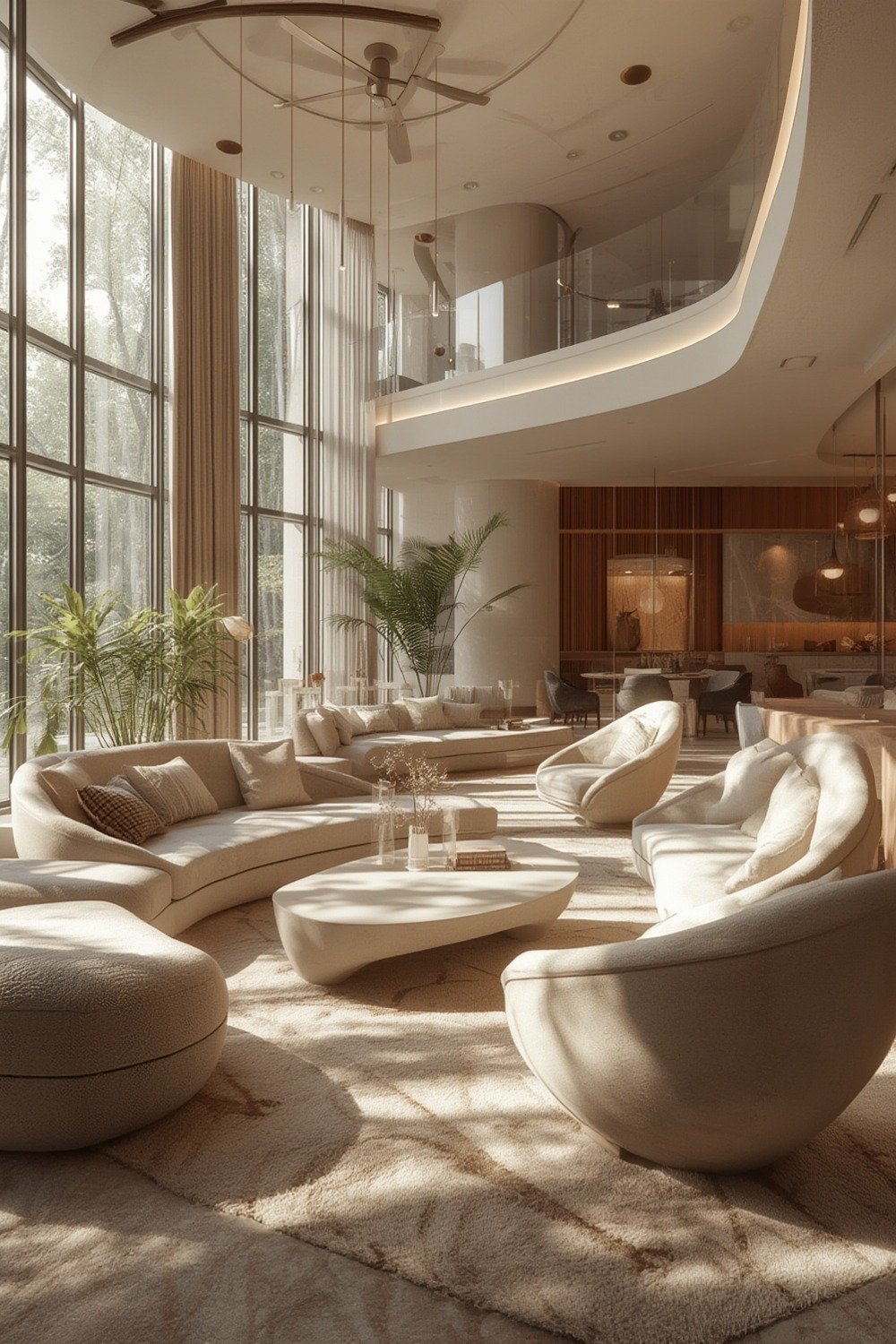
Materials like wood, bamboo, bouclé, recycled fabrics, and glass accents are popular for 2025. Brands also emphasize sustainability credentials and modular features. Meanwhile, regional data shows Asia-Pacific dominating the global market, valued at $293.26 billion in 2025[source].
Curved designs are found in both statement hero pieces and practical, storage-friendly modular options. From luxurious lounges to compact condos, the category is expanding—but it’s not universally suitable. Challenges with fit, maintenance, and price transparency mean due diligence is essential.
How to Select and Implement Curved Furniture: Step-by-Step Guide
-
Assess Your Space Dimensions
Measure carefully. Curved furniture often requires more floor area than angular counterparts due to its shape. Avoid cramming large arced sectionals into narrow or awkward layouts—especially important for enclosed porch conversions. For clever ideas on maximizing smaller rooms, see our guide on enclosed porch conversion. -
Define Your Use Case
Will the piece anchor a family room, add character to a loft, or function as a social hub? Knowing whether you need storage, recliners, or modularity can help shortlist models. -
Research Materials & Finishes
Sustainable options like bouclé, recycled fabric, organic cotton, and bamboo are leading choices. Carefully compare upholstery for durability—especially if the area sees heavy use or sun exposure. Need inspiration for waterproof, resilient surfaces? Explore waterproof backsplash tiles for similar performance standards. -
Check Construction Methods
Many listings are vague about frame materials, joinery, and cushion density. When shopping, request specifics or visit in person to test for comfort and stability. Even luxury curved sofas can lack the internal build quality of traditional designs if you don’t verify. -
Seek Sustainability Certifications
Ask about certifications like FSC or recycled content claims—though many 2025 launches are still missing this documentation. -
Consider the Full Room Flow
Ensure circulation paths are clear and sightlines are enhanced, not blocked. Curved units should invite movement, not bottleneck your living area. Try builder software or a simple paper cutout to preview fit. -
Budget for Accessories & Anchoring Pieces
Curved pieces often demand round or oval rugs, bespoke side tables, or wall-mount lighting. List these extra costs in advance. -
Get Delivery, Access & Installation Details
Confirm with the retailer that large pieces can fit through doors and halls—returns due to failed entry are a leading pain point.
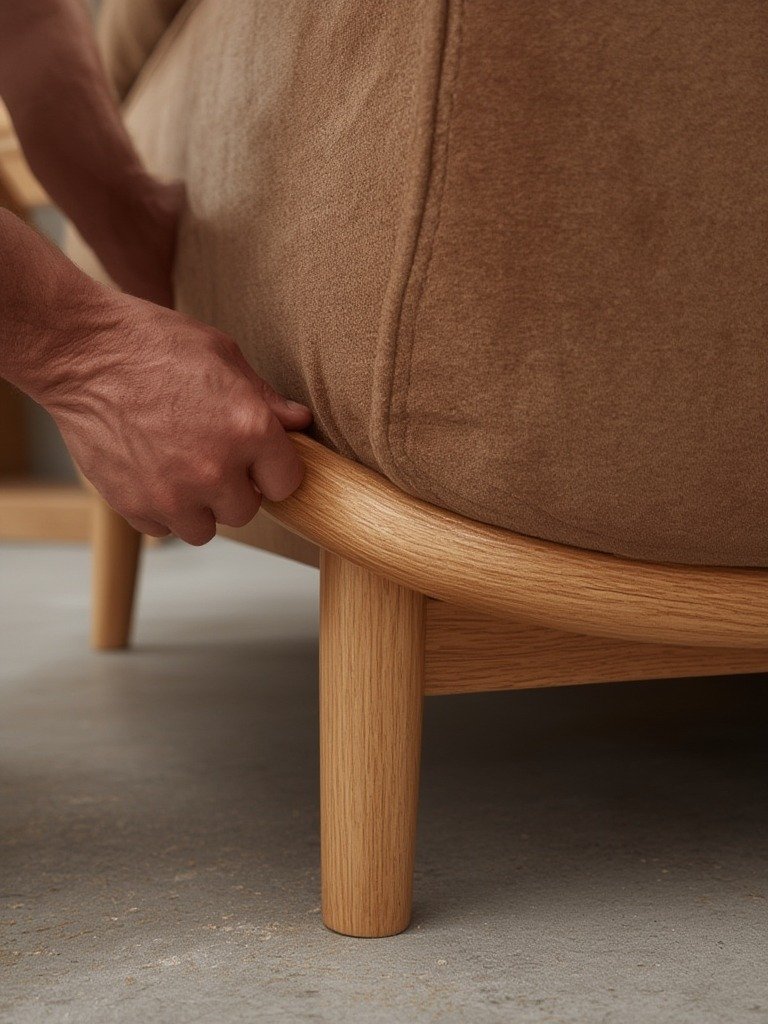
Remember, curved forms aren’t always the best match for every setting. High-traffic hallways, compact entryways, and rooms with sharply defined angles may suit traditional, straight-edged furniture better. For more flooring compatibility tips, check out the latest LVP flooring trends to pair with new furnishings.
Looking to integrate other statement pieces? Matching a curved hero sofa with a streamlined shoe bench or cool, modern pink marble contact paper can keep modern spaces balanced.
Advanced Analysis & Common Pitfalls of Curved Furniture 2025
Despite the hype, curved furniture 2025 introduces downsides that few brands discuss openly. Here are the most common pitfalls, with practical solutions:
- Awkward Fit in Small or Traditional Rooms: The organic, oversized shapes often waste valuable floor area or block walkways in tight quarters.
- Limited Flexibility for Layout Changes: Unlike modular angular couches, many curved units can’t split or reconfigure for new uses.
- Installation and Access Headaches: Non-rectangular frames can jam in doorways, elevators, or turns, leading to failed deliveries.
- Higher Costs & Price Transparency Issues: Curved models command a premium. Price ranges (like $1,157–$12,800 for sofas) are broad, but detailed comparisons to traditional furniture are rare[source].
- Fabric Wear Points & Cleaning: Some upholstery forms don’t wear evenly, and custom fitted covers are harder to find.
- Lack of Granular Technical Specs: Buyers report frustration at not knowing frame, joinery, or suspension details before purchase.
- Underwhelming Brand/Designer Differentiation: Current market leaders talk up style but reveal little about unique build quality or case study results.
- Circular Room Limitations: Truly round pieces may feel out of place in highly symmetrical or boxy rooms—straight edges bring clarity and order.
| Feature | Curved Furniture 2025 | Traditional Angular Furniture |
|---|---|---|
| Price Range (Sofas) | $1,157–$12,800 [source] | Not provided in current research |
| Space Efficiency | Often less efficient; may waste floor area | Optimized for tight spaces and corners |
| Layout Flexibility | Limited modularity for most models | High; easy reconfiguration |
| Technical Specifications Available | Rarely detailed in listings | Typically disclosed by trusted brands |
| Sustainability Options | Bouclé, bamboo, recycled fabrics, modular | Widely available; more certification transparency |
Brand guidance remains vague. While you’ll see names like Luna Furniture or Genense, few offer transparency about materials, joinery, or real installations in high-profile projects. This leaves most buyers relying on trend reports and general market data, such as the predicted 15–20% annual market growth for curved sofas through 2026.
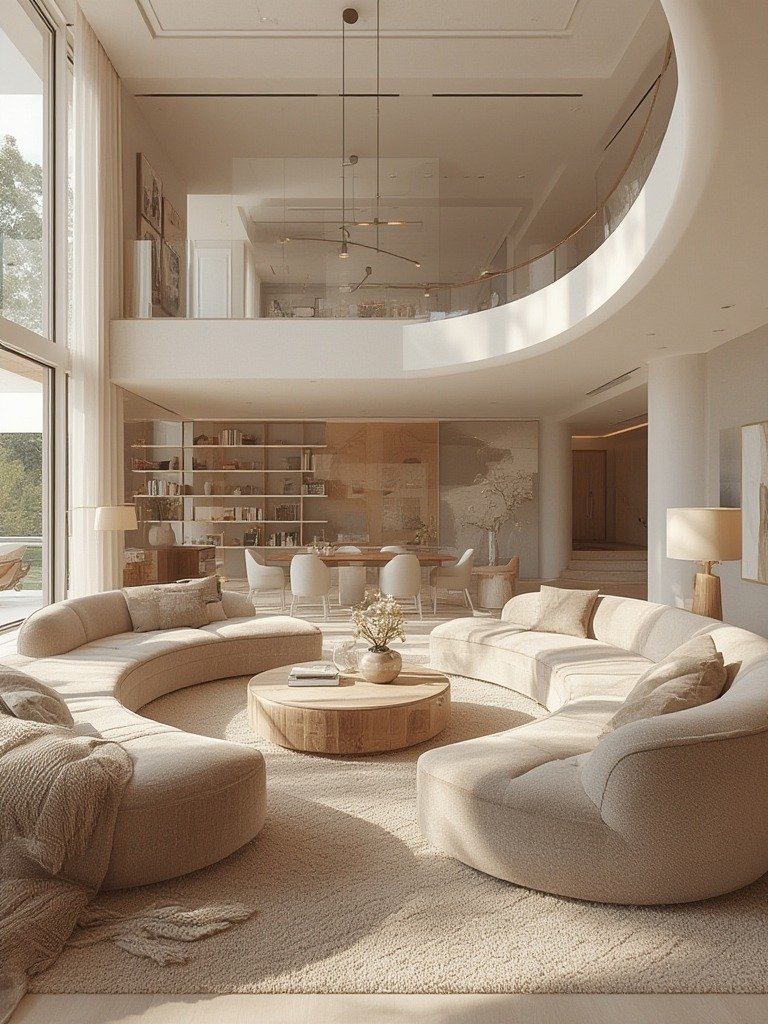
Buyers should also watch out for overstated sustainability claims. While the US sustainable furniture segment is growing, many curved options lack clear FSC or recycled certification, making due diligence non-negotiable.
Navigating design “traps” is critical. If you crave peace of mind and maximum return on investment, test new layouts with floorplans and consider mixing statement curved pieces with reliable classic elements—much like optimizing peel tiles upgrades alongside traditional flooring.
Conclusion
Curved furniture 2025 brings undeniable flair and market momentum, but it also introduces sizing, installation, and technical research challenges that can surprise the unprepared. Understanding growth drivers, material options, and realistic layout limitations will help you make smarter, long-term selections. When planned carefully, curved furniture 2025 can elevate your living spaces—just don’t skip the practical steps and verifications.
Ready to rethink your home with curved forms or organic silhouettes? Start by mapping your space and exploring high-quality, certified options. Have questions or want more tips? Reach out today and share your curved furniture plans.
FAQ
Is curved furniture more expensive than traditional furniture?
Usually, yes. Curved sofas and sectionals often cost more, with prices from $1,157–$12,800 depending on brand and material. Direct side-by-side comparisons with traditional models are still lacking in many 2025 reports.
Does curved furniture work in small rooms?
It depends. While some smaller curved loveseats can fit, many pieces require more floor area than their rectangular counterparts. Always measure carefully and consider flow in high-traffic spaces.
What materials are most popular for curved furniture 2025?
Top materials include bouclé, bamboo, recycled fabrics, organic cotton, wood, velvet, and linen. These offer a mix of sustainability, durability, and comfort favored in current designs.
How do I avoid common installation and fit problems?
Request scale layouts, use painter’s tape to mark dimensions, and confirm delivery access before purchasing. Many failed installations result from underestimating entryway or hallway sizes.
Are there any specific sustainability certifications to look for?
Look for well-documented FSC (Forest Stewardship Council) certifications or recycled content verifications. However, many 2025 curved furniture pieces lack detailed lifecycle or carbon data, so press brands for full documentation where possible.